How to Sell on Amazon in South Africa: Amazon.co.za Setup and Global Selling Guide
If you are a South African seller asking whether Amazon is worth entering now, the short answer is yes, but only if you choose the right path first.
According to Amazon, seller registration for South Africa opened on October 17, 2023, and Amazon.co.za launched on May 7, 2024. A few months later, Amazon Ads announced that Sponsored ads and Stores launched in South Africa on July 1, 2024. That matters because many sellers are still early in the learning curve, which means operational discipline still matters more than marketplace maturity.
This guide is built for sellers who want to understand:
- how to register on Amazon.co.za
- when it makes more sense to sell from South Africa into Amazon.com or other marketplaces
- what documents and setup steps usually slow approval
- what to do in the first week after your account is live
If you already use Revenuealot and want the Amazon feature walkthrough next to this article, start with the Amazon Overview docs.
Quick answer: what is the fastest path for a South African seller?
For most new sellers, the fastest practical path is:
- decide whether you are starting with Amazon.co.za or Global Selling
- prepare your identity, business, payout, and address documents before opening Seller Central
- complete Amazon registration step by step instead of rushing through verification
- launch a small, controlled catalog first
- fix listings, fulfillment, and payout settings before you try to scale
If you already sell on Takealot and want to expand, the best setup is usually not "upload everything everywhere." It is to start with a focused product set, then use Amazon Listing Sync and Amazon Product Analytics once the store is stable.
Why Amazon.co.za matters now
South African marketplace competition is changing. Local coverage from Ecommerce.co.za treated the Amazon.co.za launch as a meaningful shift in the local marketplace landscape, not just another minor storefront launch.
For sellers, that creates three practical opportunities:
- a new marketplace where operational advantage still matters
- a second major channel beyond Takealot for product and brand expansion
- a clearer path into Amazon's wider ecosystem if you later want to sell internationally
This does not mean every seller should move immediately. It means Amazon should now be part of your channel strategy review.
Choose your path first: Amazon.co.za or Global Selling
Before you register, decide what you are actually trying to build.
Path 1: sell on Amazon.co.za first
This is usually the better path if:
- your brand is already selling to South African customers
- your supply chain, returns process, and local support are built for South Africa
- you want a simpler first Amazon setup before thinking about export complexity
This route keeps your first Amazon launch closer to your current market.
Path 2: sell from South Africa into Amazon.com or other marketplaces
Amazon's Global Selling program is the route to use if your goal is cross-border expansion. Amazon explicitly states that businesses based outside the US can sell to US customers on Amazon.com through Global Selling.
This path makes more sense if:
- your product already competes internationally
- you understand export, customs, and longer fulfillment requirements
- your margins can absorb international marketplace and logistics costs
For many South African sellers, the best long-term answer is not either-or. It is often Amazon.co.za first, then broader Amazon expansion once your catalog and operations are cleaner.
What South African sellers should prepare before registration
Amazon's registration guide makes the basic structure clear: seller setup is easier when business details, identity details, and payment information are ready before you start.
Local South African guides from Entrepreneur Hub SA, FGX, and Ecommerce.co.za all point to the same operational reality: sellers usually lose time on registration because the documents are incomplete, inconsistent, or not prepared in the format Amazon expects.
Before opening Seller Central, prepare:
- legal name or company details exactly as they appear on official documents
- a business email address you will keep using long term
- phone number and business address
- identity documents for verification
- payout or deposit account details
- tax and registration details that match your business structure
- a short list of the first products you actually plan to launch
The hidden issue is consistency. If your address, business name, or bank details do not match cleanly across documents, Amazon verification can slow down quickly.
How Amazon Seller Central registration works
Amazon's How to register as an Amazon seller page breaks registration into five high-level steps. For South African sellers, the steps are straightforward in theory, but the verification detail is where most delays happen.
Step 1: create your seller account
Start from the official Sell on Amazon flow and choose your marketplace path.
At this stage, focus on clean inputs rather than speed. Use the same business identity everywhere.
Step 2: enter business information
Amazon will ask for your business and contact details. Depending on your structure, this may include individual or company information.
This is where many sellers create future verification issues by using:
- a trading name in one place
- a legal entity name in another
- a different address on bank or proof documents
If you want the fastest path, standardize this before you submit.
Step 3: add billing and payout details
Amazon also requires billing and deposit information as part of onboarding.
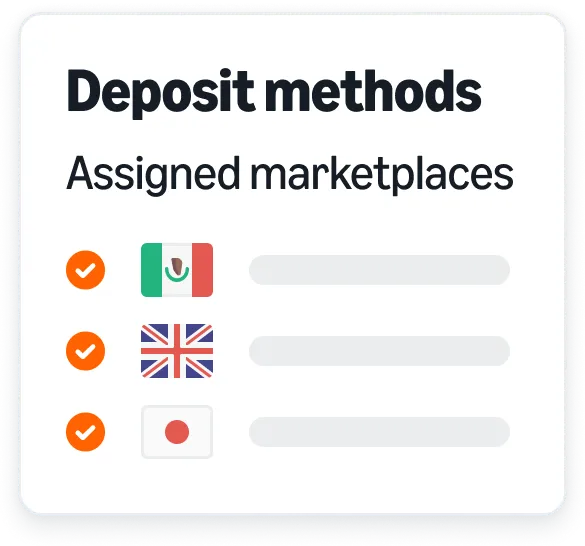
Do not treat this as an admin detail. Payout configuration affects how quickly the business can operate cleanly once sales start.
For sellers expanding internationally later, it is also worth reviewing Amazon's Currency Converter for Sellers.
Step 4: complete identity verification
This is the part to take seriously. Amazon says verification is typically completed within three business days or less, but that assumes the information submitted is accurate and acceptable.
Common delay triggers include:
- blurry documents
- mismatched addresses
- inconsistent legal names
- unsupported or incomplete proof documents
Step 5: finish store setup in Seller Central
Once approved, your real work starts in Seller Central, not before.
That means:
- confirming account settings
- structuring your first listings properly
- checking category requirements
- understanding what fulfillment method you will actually use
What to do in the first week after approval
Many sellers think approval means the hard part is done. Usually it means the risky part has started.
Your first week should be about control, not speed.
1. Start with a small catalog
Do not upload your entire assortment on day one.
Launch the products that are easiest to price, fulfill, and support. This gives you time to learn category expectations and listing standards without creating avoidable operational noise.
2. Build listings properly
Your first listings should have:
- clear titles
- accurate product attributes
- clean images
- realistic pricing after fees and delivery costs
- correct variation and identifier data where required
If your team already manages listings in Revenuealot, review the Amazon Listing Sync docs before pushing listings across channels.
3. Decide how fulfillment will work
South African sellers often underestimate how much marketplace performance depends on fulfillment decisions.
At a minimum, decide:
- whether you will self-fulfill or use Amazon's fulfillment options where available
- how fast you can actually dispatch
- what your returns flow looks like
- whether your first products are suitable for local or cross-border shipping
The wrong launch product is often not the worst product. It is the product your operation cannot fulfill reliably.
4. Set up reporting from the start
Do not wait until the store feels "big enough" to track performance.
If you are running Amazon inside Revenuealot, set up:
- Amazon Store Metrics for store-level trend review
- Amazon Product Analytics for SKU-level performance
- Amazon Data Sync so your team understands what is refreshed and when
Fees, plans, and margin expectations
This is where sellers get sloppy.
Amazon's pricing page shows the general structure clearly: Amazon seller costs usually include a selling plan layer and category-based selling fees. Exact plan names, thresholds, and local market details can vary by marketplace, so South African sellers should confirm the current terms inside the marketplace they are registering for.
The safer way to think about margin is:
- marketplace fees are only one layer
- shipping and returns can change economics fast
- cross-border selling usually adds more operational cost than new sellers expect
- your first catalog should be chosen for operational simplicity, not just product demand
Local South African coverage often frames the choice as Individual vs Professional plans. Treat those as useful orientation, then verify live marketplace pricing before you commit inventory.
Brand owners should act early
If you own a brand, do not wait too long to protect it.
Amazon's Brand Registry is worth reviewing early because brand protection, listing control, and future advertising workflows get easier when the basics are handled properly.
This also matters because Amazon Ads capabilities in South Africa have already expanded. According to Amazon Ads, Sponsored ads and Stores launched in South Africa on July 1, 2024, which means local brand sellers should think beyond registration and toward visibility.
Common mistakes South African sellers make when joining Amazon
They treat registration like a form instead of a workflow
The form is easy. The workflow is not.
If registration data, payout setup, listing readiness, and fulfillment choices are not aligned, approval only gets you to the next bottleneck.
They try to launch too many products too fast
A smaller, cleaner launch usually wins.
They choose the wrong marketplace path
Some sellers should start with Amazon.co.za. Others should only go cross-border when they are truly ready for export operations.
They copy local marketplace habits without adapting
Takealot experience helps, but Amazon category structure, listing requirements, fulfillment expectations, and brand controls are different.
Where Revenuealot fits after you are live
Revenuealot is not what gets you approved on Amazon. It is what helps you operate with more control after approval.
Once your store is live, Revenuealot can help you:
- review Amazon Store Metrics in one place
- analyze SKU performance with Amazon Product Analytics
- manage cross-channel workflows with Amazon Listing Sync
- explore the public product pages for Amazon Store Metrics, Amazon Product Analytics, and Amazon Listing Sync
If you already sell on Takealot, that matters because the real operational challenge is rarely "open more channels." It is keep product, pricing, and fulfillment logic clean across channels.
FAQ
Can a South African seller join Amazon without targeting the US first?
Yes. Amazon.co.za gives South African sellers a local marketplace path, while Amazon's Global Selling program is the route for sellers who want to sell into Amazon.com or other international marketplaces.
Is Amazon.co.za too new to matter?
No. It launched on May 7, 2024, which makes it newer than more mature marketplaces, but not too early to take seriously. For many sellers, that earlier-stage environment is exactly why it is worth evaluating now.
What slows Amazon approval most often?
Verification problems. The most common causes are mismatched business details, unclear proof documents, and rushing through setup without standardizing names and addresses first.
Should I start with Amazon.co.za or Global Selling?
Start with the path your operations can support. If your current business is local and your logistics are built for South Africa, Amazon.co.za is usually the easier first step. If you are already set up for export, Global Selling may be the better route.
What should I do after my seller account is approved?
Start with a small catalog, verify payout and operational settings, build clean listings, and set up performance tracking before you scale.
Final takeaway
For South African sellers, the real question is no longer whether Amazon matters. The better question is which Amazon path fits your business now.
If you want the simplest first move, start with Amazon.co.za, prepare your documents properly, and launch a controlled product set. If your goal is international growth, review Global Selling early, but do not skip the operational groundwork.
If you want the post-onboarding workflow next, use these pages as your next step: